
Laser Pigmentation Removal Delhi
 Starts from ₹ 2499
Laser Pigmentation Removal: Lighten Dark Spots and Uneven Patches
Laser pigmentation removal is a non-surgical skin treatment that uses focused light energy to lighten dark spots and uneven patches. It is commonly considered for sun spots, freckles, tan marks and some post-acne marks. Pigmentation is not a single condition, and different types can respond differently to laser treatment. At Qala Aesthetics, treatment begins with a skin assessment by our doctor so that laser is used only when it is likely to help and is carefully planned for your skin.
What Is Pigmentation?
Skin gets its colour from melanin, a pigment produced by skin cells. When melanin is produced in excess or builds up in one area, it appears as dark spots or patches. Common triggers include sun exposure, hormonal changes, skin inflammation such as acne, ageing and certain medicines.
Identifying the cause is important because pigmentation caused by sun damage may need a different approach from pigmentation related to hormones or previous acne.
How Does Laser Pigmentation Removal Work?
The laser delivers short pulses of light that are absorbed by excess melanin in the skin. This breaks the pigment into tiny fragments, which the body gradually clears over the following days and weeks.
The surrounding healthy skin absorbs comparatively less of the targeted light, allowing treatment to focus on pigmented areas. Laser settings, including the energy level, are adjusted according to your skin tone. This is particularly important for Indian skin, as aggressive settings can cause new dark patches rather than improve existing pigmentation.
Types of Pigmentation and How They Respond
1. Sun Spots and Age Spots
These often respond well to laser treatment, sometimes within a few sessions.
2. Freckles
Laser may lighten freckles, although they can return with sun exposure.
3. Post-Acne Marks
Many marks may fade with laser treatment alongside an appropriate skincare routine. Deeper marks can take longer to improve.
4. Tan and Uneven Skin Tone
Mild cases may improve, while some may respond better to chemical peels or other treatments.
5. Melasma
This is a more challenging type of pigmentation influenced by hormones and sun exposure. It can worsen with aggressive laser settings and often returns. A gentle, carefully planned approach is important, usually alongside topical treatments and strict sun protection. Our doctor will explain realistic expectations before treatment.
The Laser Pigmentation Procedure
Each session takes approximately 20 to 40 minutes, depending on the treatment area.
- Consultation: Our doctor examines your skin, asks about sun exposure, hormonal changes, medicines and previous treatments, and identifies the likely type of pigmentation.
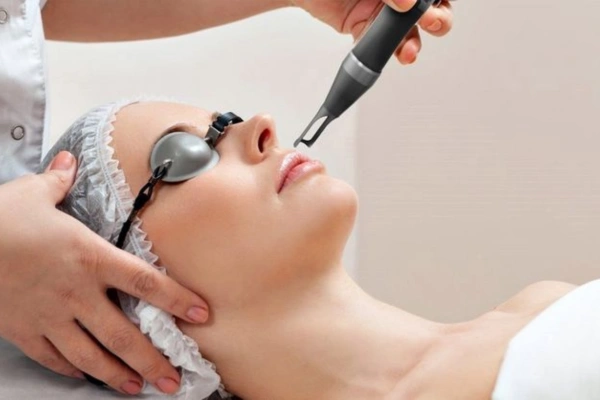
- Preparation: The area is cleaned, and a numbing cream may be applied if needed. You will wear protective eyewear during the procedure.
- Laser Treatment: The laser is passed over the pigmented areas. Most people experience a brief snapping sensation or warmth.
- Aftercare: The skin is cooled and protected with a soothing product and sunscreen. You also receive clear aftercare instructions.
Benefits of Laser Pigmentation Removal
Targeted Treatment
It focuses on specific pigmented spots without treating the entire skin surface.
Minimal Downtime
Most people can return to their usual routine on the same day.
Gradual, Natural-Looking Improvement
Spots may lighten progressively, helping the skin tone appear more even.
Can Complement Other Skincare
When suitable, laser treatment can be combined with chemical peels, prescribed creams and a consistent sunscreen routine.
Results, Sessions and Expectations
Most people need several sessions, usually spaced three to four weeks apart. The number of sessions depends on the type, depth and colour of the pigmentation.
Treated spots may look darker for a few days before light flaking occurs and the pigmentation begins to fade over one to two weeks.
Results are not always permanent. New pigmentation can develop due to sun exposure, hormonal changes or skin inflammation, making sunscreen and ongoing skincare essential. We do not promise complete removal and will explain at the outset if laser is not the best option for your type of pigmentation.
Aftercare
- Apply sunscreen with SPF 30 or higher every morning and reapply when outdoors.
- Avoid direct sun exposure, tanning and heat treatments for a few weeks.
- Do not pick at flaking spots or crusts.
- Use a gentle cleanser and moisturiser.
- Avoid scrubs, strong acids and retinoids until the skin has settled, unless advised otherwise by our doctor.
- Avoid waxing or threading the treated area for a few days.
Side Effects and Who Should Wait
Common short-term effects include redness, warmth, mild swelling and tiny crusts that may last for a few days.
The main risk is a change in skin colour, with the treated area becoming either darker or lighter. This risk may be higher if the skin is tanned or adequate sun protection is not followed. Blisters or infection can occur rarely.
Our doctor may recommend postponing treatment if you have a recent tan or sunburn, active acne or an infection in the treatment area, a history of keloid scarring, are pregnant, or have recently used strong acne medication.
Conclusion
Laser pigmentation removal is a non-surgical treatment that uses short pulses of light to break down excess melanin, helping to lighten sun spots, age spots, freckles, tan marks and some post-acne marks, while melasma needs a more gentle, carefully planned approach alongside topical treatments and strict sun protection because it can worsen with aggressive settings and often returns. Since pigmentation is not a single condition, our doctor first examines your skin, asks about sun exposure, hormonal changes, medicines and previous treatments, and adjusts the laser settings to your skin tone, which is especially important for Indian skin where aggressive settings can cause new dark patches.